Best folding electric bikes for 2026
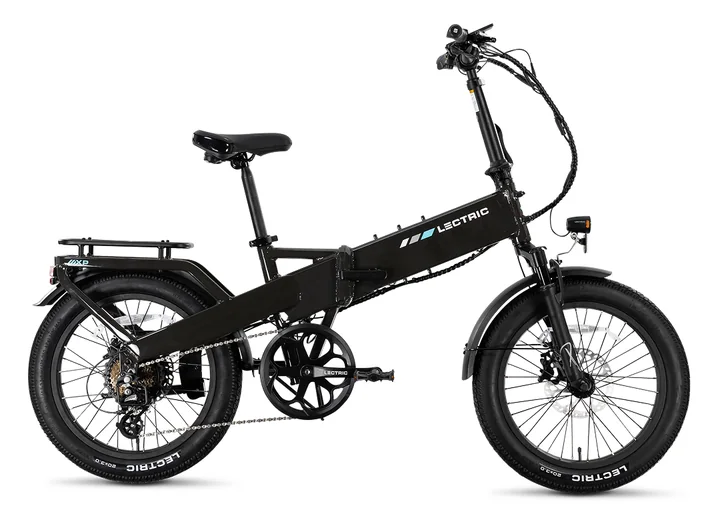
Folders are the category where the marketing and the reality drift furthest apart, and I see that gap every time one rolls into the shop. The pitch is a tidy little bike that disappears into a closet or a trunk. The truth is that most folding ebikes weigh as much as a full-size commuter, and the fold is more about fitting through a doorway than carrying it upstairs. So I judge them on the stuff that actually matters once the novelty wears off: how compact they really get, how heavy they are when you have to lift them, and whether the ride holds up on a real road.
The folder to beat is the Lectric XP4. It folds small enough for an apartment closet or an RV bay, and it stows in a fraction of the floor space a full-size bike eats up. It is not perfect (it runs a cadence sensor, and at 62 lbs it is no featherweight), but nothing else in the segment folds this neatly while carrying this much battery. Below I rank the field and walk through who a folder genuinely suits and who should buy a regular commuter instead.
The short answer: who should buy a folding ebike
Before you spend a dime, be honest about why you want a folder. A folding frame is a compromise. You give up wheel size, you usually add weight in the hinge and latch hardware, and you pay a little more for the engineering. If you do not actually need the fold, a standard commuter ebike rides better for the same money.
A folder earns its keep in a few specific situations:
- Small apartments and condos where the bike lives inside and floor space is precious. A folded bike tucks into a closet or a corner instead of blocking a hallway.
- RVs, vans, and boats where storage is measured in cubic inches. This is the classic folder use case, and it is a great one.
- Multimodal commutes where you ride to a train or bus, fold the bike, and bring it aboard. Just confirm your transit system actually allows folded ebikes before you commit.
- Shared garages and offices where you cannot leave a bike outside and need it to take up as little room as possible.
If none of those describe you, skip the fold. You will get a better bike and fewer rattles. If they do, read on. One thing to sort out first: if you mostly care about spending as little as possible rather than about storage, you are really shopping budget, so start with my best budget ebikes list instead, since the cheapest pick is not always the one that folds smallest.
My top folding ebike picks for 2026
Here is how the field stacks up. Note that I am ranking on real-world value for a folder, not just raw specs.
| Bike | Price | Folds | Weight | Advertised range | Sensor |
|---|---|---|---|---|---|
| Lectric XP4 (best overall) | From $999 | Yes | 62 lbs | 50 to 85 mi | Cadence |
| Standard commuter (for comparison) | $1,595 and up | No | 62 to 67 lbs | 30 to 70 mi | Varies |
In the true folding category, the XP4 is the bike I recommend to almost everyone, which is why this list leads and leans on it. The other ebikes I review on Watt & Wheel (the Ride1Up 700 Series, Velotric Discover 2, Aventon Level 3) are excellent bikes, but they do not fold, so they are not direct rivals here. If you want a folder, the question is really whether the XP4 fits your space or whether you should step up to a non-folding commuter instead.
Lectric XP4: the folder to beat
The XP4 starts at $999 with a 500W motor, and you can option up to 750W if you want more grunt on hills. The battery scales up to 840Wh, which is genuinely large for a folder, and Lectric advertises 50 to 85 miles of range. It tops out at 28 mph as a Class 3, runs 20-inch fat tires, and stops with hydraulic disc brakes, which is the spec I care most about on a heavy bike.
Why it wins: nothing else folds this compact while carrying this much battery, and the fold is genuinely useful rather than a gimmick. The hinge collapses the frame in half so the bike stands on its own footprint and slides into a closet, behind a couch, or down into an RV storage bay. Stood on its rear wheel against a wall it eats barely more floor than a stroller, which is the whole reason an apartment dweller or a boat owner buys one. The hydraulic brakes and fat tires are a bonus on top of a fold that actually solves a storage problem.
Where I will level with you: it uses a cadence sensor rather than a torque sensor, so the assist arrives based on pedal movement instead of how hard you push and feels a touch more like a switch than a natural boost. You adapt fast, and my motor and sensor guide explains the difference if it matters to you. On range, treat the 85-mile headline as a best-case number and figure on closer to 40 to 55 real miles from the big battery, less if you lean on the throttle or climb a lot (here is why the gap is so big). That is still excellent for a folder.
The other catch is weight. At 62 lbs, the XP4 folds small but it does not get light. You can wrestle it into a trunk or an RV bay, but carrying it up three flights of stairs is a workout, not a stroll. No folder solves this; physics and battery weight win. If you need to routinely lift the bike rather than just stash it, factor that in. Full breakdown in my Lectric XP4 review, and you can check the current price if you want to see where it sits today.
The trade-offs nobody puts in the ad
Every folder makes the same compromises. Knowing them before you buy saves you from being disappointed after.
- Small wheels. Most folders use 16 or 20-inch wheels so they pack down. Smaller wheels feel a touch twitchier at speed and drop into potholes more abruptly than a 27.5-inch commuter wheel. Fat tires (like the XP4's 20-inch) take the edge off, but it is still a different ride feel. You adapt quickly.
- Weight. The fold helps with storage volume, not with carrying. A 60-plus-pound folder is awkward to lift no matter how neatly it folds. If a salesperson tells you a folding ebike is easy to carry upstairs, they have not carried one.
- Fold size and fiddle factor. A folded ebike is compact, but it is still a chunky package, and the fold takes a few seconds and a bit of practice. Measure your closet, your trunk, or your RV bay before you buy. Manufacturer fold dimensions are real, so use them.
- Hinge maintenance. That frame hinge is a moving joint under load. Check that the latch is fully seated before every ride and snug the hinge hardware periodically. A loose hinge is the one failure point a regular frame does not have, so it goes on your maintenance list.
None of this is a dealbreaker. It is the honest cost of the fold. If these trade-offs bother you and you do not truly need to fold, a non-folding commuter sidesteps all of them.
What to look for in a folding ebike
When you are comparing folders, here is the checklist I run through, in order of how much it actually matters once the bike is in your home.
- Folded dimensions, first and foremost. Get the actual length, width, and height of the folded package and tape it out where it will live, whether that is a closet floor, a trunk well, or an RV bay. This is the entire reason you are buying a folder, so it leads the list.
- Brakes. A heavy bike that goes 28 mph needs hydraulic disc brakes. Mechanical discs work, but they fade and need more frequent adjustment. The XP4's hydraulics are a big reason it tops this list.
- Sensor type. Folders in this price range almost all run cadence sensors, which feel slightly more on-off than the torque sensors on pricier bikes; my motor and sensor guide covers how the two differ so you know what you are getting.
- Real battery size, not just range claims. Watt-hours tell you more than the advertised mileage. A bigger Wh number means more real range, full stop, and you should mentally discount any range headline before you plan around it (details here).
- Wheel and tire size. Fat 20-inch tires ride more forgivingly than skinny small wheels. If your roads are rough, prioritize this.
- Class rating. Decide whether you want the 20 mph cap of a Class 2 or the 28 mph of a Class 3, and check your local rules. My guide on ebike classes explained walks through what each class means and where you can legally ride it.
For the bigger buying picture, including budget, sizing, and where to spend versus save, read how to buy an electric bike. It ties all of this together.
Bottom line
If you need a folding ebike, buy the Lectric XP4. From $999 it folds down to a closet-sized footprint, carries a big battery, stops with real hydraulic brakes, and slides into spaces a full-size commuter never could. Accept that it uses a cadence sensor and that it weighs 62 lbs, plan for real-world range well below the headline figure, and you will be very happy with it. You can see the current price here.
And if you are buying a folder only because you assumed every ebike should fold, stop and reconsider. The fold is a tool for specific problems: tight apartments, RVs, boats, transit hops. If you do not have those problems, a standard commuter rides better for the same dollars, and a price-first shopper is better served by my budget picks. Either way, buy the bike that fits your life, not the spec sheet.
Compare our tested top picks side by side, with real specs, photos and honest pros and cons.
Independent and reader-supported. Some links in our reviews are affiliate links that never change our rankings. How we test.
Frequently asked questions
Are folding electric bikes worth it?
They are worth it if you genuinely need the fold, for an apartment, RV, boat, or a train-and-ride commute. In those cases a folder solves a real storage problem nothing else can. If you have room to park a normal bike, a non-folding commuter rides better and usually costs less for the same components, so do not pay the folding premium you will not use.
How much does a good folding ebike cost?
You can get an excellent folder for around $999, which is where the Lectric XP4 starts. That buys you a large battery, hydraulic disc brakes, and fat tires. You can spend more, but in the folding category the value leader is hard to beat, and paying double rarely gets you double the bike. If price is your main concern rather than storage, compare it against my budget ebikes list before you decide.
Are folding ebikes heavy and hard to carry?
Yes, most are. Folding reduces the bike's storage volume, not its weight. A typical folder like the XP4 weighs about 62 lbs, so it folds compact but is still a real effort to lift up stairs. If you must carry it daily, test the lift first. For most owners the fold is about fitting into a trunk or closet, not hauling it around.
What is the real range of a folding ebike?
Plan on a good bit less than the headline figure, so an 85-mile claim is realistically more like 40 to 55 miles in normal riding, and less if you use the throttle heavily, climb hills, or ride into a headwind. A bigger watt-hour battery is the honest way to buy more range. My range guide explains exactly why the advertised number runs so high.
Is a cadence sensor a dealbreaker on a folding ebike?
No, but you should know what it feels like. A cadence sensor delivers assist based on pedal movement, so power arrives more like a switch than a smooth boost, while a torque sensor responds to how hard you push and feels more natural. Most affordable folders use cadence sensors, including the XP4. You adapt within a few rides, and the value tradeoff is usually worth it. My motor and sensor guide goes deeper if you want it.

I wrench on and ride these bikes year round, and I write every review and guide here. I rank by what holds up on real roads, not by who pays the most. How we test →